
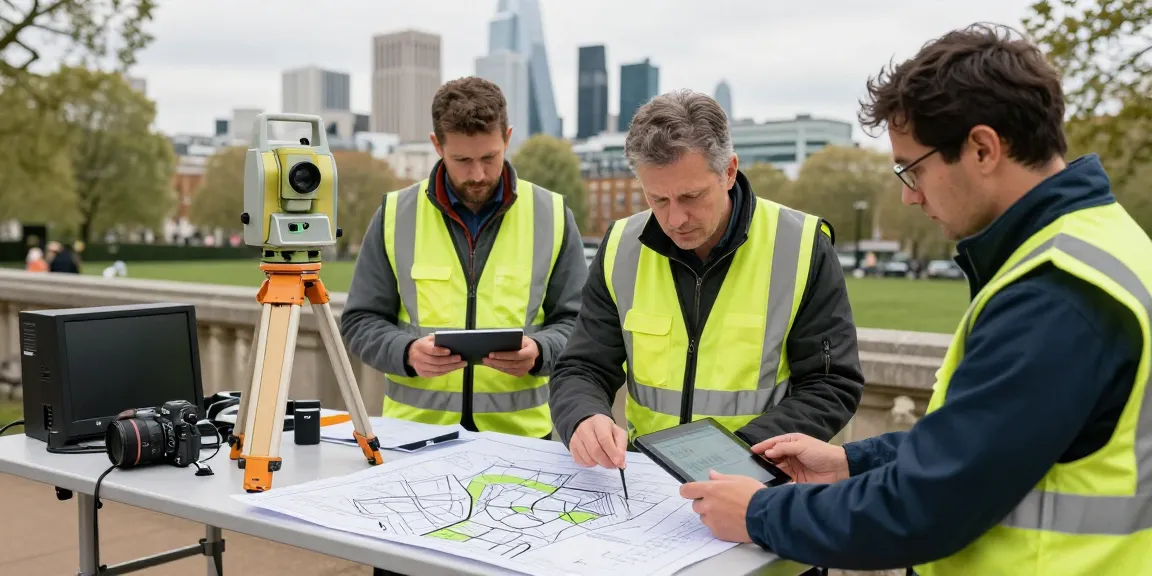
Understanding Measured Building Surveys
In the realm of construction and architecture, the accuracy of measurements is paramount. Measured Building Surveys serve as the foundation of this accuracy, providing detailed and precise information about existing structures. These surveys play an essential role in various projects, from renovations to new builds, ensuring that every aspect of the design aligns with the physical reality of the site. At Cadmap, we specialize in Measured Building Surveys london & Surrey & Sussex, utilizing cutting-edge technology and expert knowledge to deliver exceptional results for our clients.
What are Measured Building Surveys?
Measured Building Surveys are comprehensive assessments that capture the physical dimensions and configurations of a building. These surveys typically include detailed floor plans, elevations, sections, and other critical dimensions. The data collected is used for a wide range of applications, including architectural design, renovations, real estate transactions, and more. This process ensures that architects and engineers have reliable data to inform their designs and construction plans.
The Importance of Accurate Measurements for Projects
Accurate measurements are essential for a variety of reasons:
- Building Integrity: Ensuring that all dimensions are correct prevents structural issues down the line.
- Compliance with Regulations: Many local councils require thorough surveys to comply with planning regulations.
- Cost Efficiency: Accurate data minimizes the risk of costly mistakes and changes during construction.
Common Applications of Measured Building Surveys
Measured Building Surveys have a multitude of applications, including:
- Architectural Design: Creating accurate models for design and visualisation.
- Renovations and Extensions: Understanding existing structures to inform modifications.
- Real Estate: Providing potential buyers with detailed information about properties.
Choosing the Right Surveying Services
When selecting a surveying service, understanding the unique needs of your project is crucial. Not all surveying companies offer the same services, and the expertise required can vary significantly. Evaluating different surveyors’ qualifications and examining their past work can help ensure you choose the right partner for your needs.
Factors to Consider When Selecting a Surveyor
Several factors should influence your decision when choosing a surveying company:
- Experience: Look for a company with a proven track record in the specific type of survey you need.
- Accreditations: Ensure the surveyors are accredited by recognized bodies, such as The Survey Association (TSA).
- Technology: Inquire about the technology they use; modern tools can greatly enhance accuracy and data quality.
Comparing Services: Measured Building Surveys vs. Topographical Surveys
While both measured building surveys and topographical surveys provide vital information for projects, they serve different purposes:
- Measured Building Surveys: Focus on the details of existing structures.
- Topographical Surveys: Provide details about the physical features and contours of land, including elevations and vegetation.
Understanding these differences is key to selecting the right type of survey for your project demands.
Evaluating Costs and Timeframes for Survey Completion
The costs associated with surveying services can vary widely based on the complexity of the project, the type of survey required, and the geographic location. Generally, measured building surveys are charged based on square footage, and larger or more complex buildings will naturally incur higher fees. Timeframes for completion can also vary, but most surveys can be completed within a week to a month. Discussing timelines upfront with your chosen surveyor can help manage expectations and enable better project planning.
The Technology Behind Measured Building Surveys
As technology continues to evolve, so too does the landscape of surveying. New tools and techniques improve the accuracy and efficiency of surveys, benefiting clients in numerous ways.
Innovations in Surveying Equipment and Techniques
Modern surveying equipment has transformed the industry. Instruments such as:
- Robotic Total Stations: Allow for highly accurate measurements at speed.
- Laser Scanners: Enable the rapid capture of detailed spatial data, producing 3D models of structures.
These innovations help surveyors capture complex geometries and details that traditional methods might miss.
Utilising 3D Scanning and Modelling in Surveys
3D scanning technology has become a staple in many surveyed projects, offering advantages such as:
- Enhanced Detail: High-resolution data captures every aspect of a structure.
- Visualisation: 3D models can be used for presentations and planning.
- Time Savings: Faster data collection can lead to shorter turnaround times for clients.
The Role of Software in Data Analysis and Reporting
Once data is gathered, software tools play a crucial role in processing and analysing this information. Advanced software solutions can:
- Generate Plans: Produce high-quality floor plans and elevations from raw survey data.
- Assist in Visualisation: Create 3D models that help stakeholders understand spatial relationships.
This technology not only enhances accuracy but also provides valuable insights for project stakeholders.
Key Trends in Surveying for 2026 and Beyond
The surveying industry is continuously evolving, influenced by technological advancements, regulatory changes, and growing environmental concerns. Understanding these trends can help businesses and professionals stay ahead in the field.
Environmental Considerations in Modern Surveying
As sustainability becomes a priority in construction and architecture, surveying methods are adapting accordingly. Surveyors are incorporating:
- GIS Technology: Geographic Information Systems help track environmental impacts and land use.
- Sustainability Assessments: Evaluating the environmental implications of new projects during the surveying process.
Emerging Technologies Transforming the Industry
In addition to traditional surveying methods, new technologies like drones are becoming increasingly prevalent. UAVs (Unmanned Aerial Vehicles) can:
- Access Hard-to-Reach Areas: Providing data in locations where traditional surveying equipment may struggle.
- Enhance Detail and Accuracy: Offering high-resolution aerial imagery that supplements ground-based surveys.
These technologies make surveying more efficient and comprehensive.
Anticipated Changes in Regulations and Standards
The surveying landscape is also influenced by evolving regulations. Professionals must stay informed about:
- New Compliance Standards: Changes in local government regulations impacting property development.
- Sustainability Guidelines: Increasing requirements for environmentally responsible practices.
Remaining compliant with these regulations is crucial to ensuring project success.
Frequently Asked Questions
What is the benefit of hiring a professional surveyor?
Hiring a professional surveyor ensures that you receive the most accurate and reliable data for your project. Professional surveyors are trained and experienced in understanding complex measurements, ensuring compliance with local regulations, and utilizing advanced technology for precise data collection.
How long does a measured building survey take?
The duration of a measured building survey depends on several factors including the size and complexity of the building. Generally, smaller buildings can be surveyed within a few days, while larger or more intricate structures may take longer. It’s essential to discuss timelines with your surveyor upfront to align expectations.
What types of projects require measured building surveys?
Measured building surveys are often required for renovation projects, real estate transactions, and new constructions. They provide essential data needed for accurate architectural and engineering designs, helping to avoid costly mistakes later in the project lifecycle.
Are there specific regulations for surveys in London and Surrey?
Yes, there are various regulations that can impact surveying in London and Surrey, primarily regarding planning permissions and building codes. It is essential to work with a surveyor familiar with local regulations to ensure full compliance.
What should I prepare before a survey begins?
Before a survey starts, it is helpful to prepare by gathering any existing plans or relevant documentation of the property. Access to the site should be arranged, and any specific requirements or questions should be communicated to the surveyor beforehand to facilitate a smooth process.


