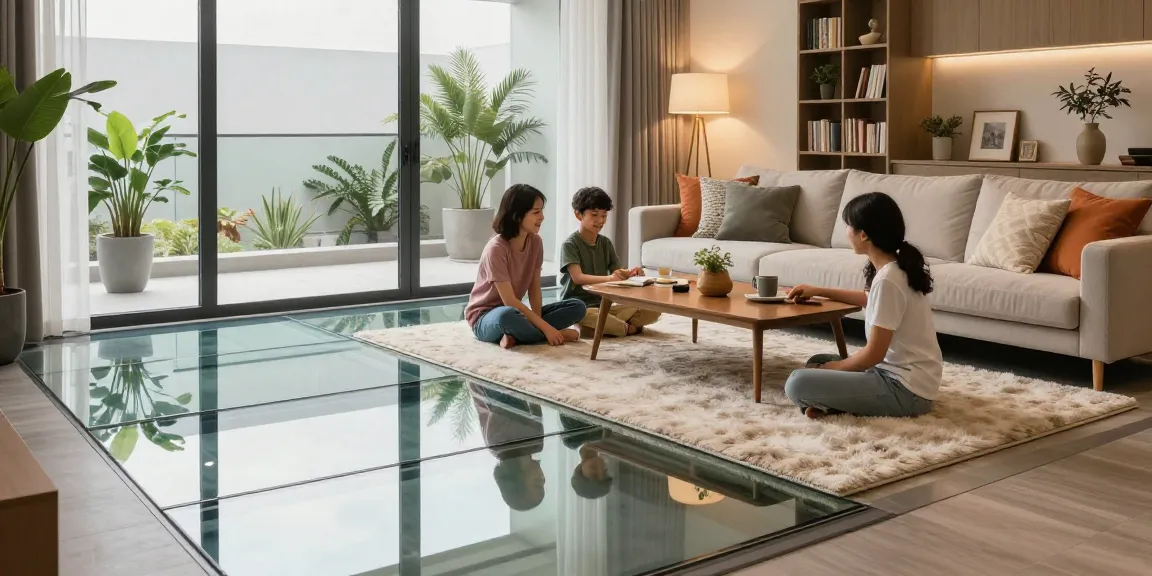
Understanding Architectural Glass Flooring
Architectural glass flooring is an innovative flooring solution that has gained immense popularity in modern residential architecture. This type of flooring not only serves a functional purpose but also considerably enhances the aesthetic appeal of living spaces. By incorporating transparency and light into the design, architectural glass flooring creates a unique atmosphere that traditional materials simply cannot match. When exploring options, architectural glass flooring provides comprehensive insights into how it can transform residential areas.
What is Architectural Glass Flooring?
Architectural glass flooring consists of specially engineered glass panels that can be used as part of the walking surface in a home. This innovative design utilizes tempered or laminated glass, which provides necessary strength and durability, while also allowing light to pass through. These panels can vary in thickness, size, and design, providing flexibility in both functionality and style. Its application can be found in various residential spaces, including living rooms, hallways, and even outdoor patios, giving homeowners a chance to explore new aesthetic possibilities.
Benefits of Using Glass in Residential Spaces
- Natural Light: One of the most significant benefits of architectural glass flooring is its ability to maximize natural light. This feature helps to create a brighter and more welcoming environment in any room.
- Visual Connectivity: Glass flooring allows for visual continuity between spaces, enhancing the feeling of openness and spaciousness in homes.
- Aesthetic Variety: Available in various finishes and designs, glass flooring can complement a wide range of interior styles, from ultra-modern to classic.
- Longevity: High-quality glass floors are incredibly durable, resisting stains and scratches, and requiring minimal maintenance to keep them looking new.
Design Versatility of Glass Flooring
The versatility of architectural glass flooring means it can be customized to fit a plethora of design schemes. Whether it’s a sleek minimalist approach or a bold statement piece, glass flooring can adapt seamlessly. Its reflective properties can enrich the ambiance of a room, creating visually striking contrasts with various materials such as wood, stone, or textiles. Additionally, decorative elements can be embedded within the glass itself, offering endless possibilities for personalization.
Enhancing Aesthetics with Architectural Glass Flooring
Creating Light and Open Spaces
Glass flooring can revolutionize light dynamics within a home. Its transparent nature not only allows natural light to flow freely between rooms but also creates an illusion of greater space. For instance, using large glass panels in a hallway can make what would otherwise feel like a confined space appear open and airy, dramatically enhancing the overall aesthetic appeal.
Combining Style with Functionality
While style is paramount, architectural glass flooring does not sacrifice functionality. These floors are designed to withstand everyday wear and tear, making them a practical choice for households with children or pets. The use of non-slip coatings and safety laminates ensures that the glass flooring is safe while still providing an elegant look.
Popular Design Trends for 2026
As we look toward the future, several design trends emerge for 2026 in the realm of architectural glass flooring. One significant trend is the use of frosted or patterned glass, which combines privacy with style. Another emerging choice includes integrating smart technology into glass designs, allowing for customizable opacity settings. Moreover, biophilic design elements, such as incorporating living plants beneath transparent flooring, are gaining traction, creating harmonious connections between indoor and outdoor spaces.
Durability and Safety Considerations
Material Strength and Maintenance
Despite being made of glass, architectural glass flooring is remarkably resilient. Contemporary manufacturing processes ensure that glass panels can support substantial weight while remaining visually appealing. Maintenance primarily involves regular cleaning, as glass floors are resistant to stains and do not trap dust or allergens, making them a healthy choice for homes.
Safety Innovations in Glass Flooring
Safety is a key consideration for glass flooring. Innovations in safety glass technologies, including tempered and laminated options, have significantly enhanced the safety profile of these materials. These advancements ensure that, in the event of breakage, the glass shatters into small, blunt pieces rather than sharp shards.
Regulatory Standards and Compliance
Architectural glass flooring must comply with various building codes and safety regulations. Homeowners should always work with reputable manufacturers and contractors who adhere to these standards, ensuring that installations are safe and compliant with local regulations. This compliance not only enhances safety but also contributes to the structural integrity of the residential space.
Cost-Effectiveness and Value Addition
Understanding the Investment
Investing in architectural glass flooring is often viewed as a premium choice. However, the long-term benefits often outweigh the initial costs. Glass flooring not only enhances the aesthetic value of a home but also contributes to increased property value by creating a distinctive and attractive environment that appeals to potential buyers.
Long-Term Benefits of Glass Flooring
The long-term benefits of architectural glass flooring extend beyond aesthetics. Its durability means that homeowners are less likely to need replacements or repairs compared to traditional flooring options, ultimately saving money over time. Additionally, the ability to maximize natural light can lead to energy savings by reducing the need for artificial lighting during the day.
Comparative Costs with Traditional Flooring
While the upfront costs of glass flooring may be higher than traditional materials like laminate or hardwood, it’s essential to consider the lifespan and maintenance costs. Traditional flooring often requires refinishing or replacement every several years, whereas quality glass flooring can last for decades with minimal upkeep. In this comparison, glass flooring can be an economically sound investment in the long run.
Future Trends in Architectural Glass Flooring
Innovations in Design and Technology for 2026
As technology continues to advance, the future of architectural glass flooring looks promising. Innovations such as dynamic glass, which can change tint or opacity based on sunlight, are expected to become more mainstream. This technology not only enhances comfort by regulating light but can also improve energy efficiency in homes.
Environmental Impact and Sustainability
With a growing emphasis on sustainability, glass flooring manufacturers are increasingly focused on environmentally friendly practices. Utilizing recycled materials and sustainable production methods not only lessens the environmental footprint but also aligns with the values of eco-conscious homeowners. As regulations become stricter, expect more glass flooring options to feature sustainable certifications.
Consumer Preferences and Market Trends
As consumer preferences evolve, there is a marked shift towards customizable flooring solutions that reflect individual style and functionality needs. Homeowners are increasingly seeking flooring options that bridge form and function, leading to a rise in demand for innovative materials like architectural glass. Market trends indicate that as awareness of these benefits grows, more homeowners will consider glass flooring for their residential projects.
What are the best uses for architectural glass flooring?
Architectural glass flooring is ideal for a range of applications, including residential entryways, living spaces, and outdoor patios. Its ability to enhance light and space makes it particularly well-suited for areas where visual impact is essential, such as in modern home designs or when incorporating elements of surprise into traditional layouts.
How does glass flooring compare to traditional materials?
Glass flooring differs from traditional materials in several significant ways. While traditional flooring options may offer warmth and texture, glass flooring provides an unrivaled transparency and can contribute to a modern aesthetic. Additionally, glass requires less maintenance and can be more durable than some wood or laminate options.
What maintenance is required for glass flooring?
Maintaining architectural glass flooring is relatively straightforward. Regular cleaning with non-abrasive cleaners is typically sufficient to keep the surface in good condition. Beyond cleaning, no other extensive maintenance procedures are usually necessary, making it a practical option for many homeowners.
Is architectural glass flooring safe for homes?
Yes, architectural glass flooring is safe for homes when installed correctly. As mentioned, modern safety innovations in glass technology significantly minimize risks. When selecting glass flooring, it is crucial to choose high-quality, safety-rated materials and work with experienced professionals for installation.
What design styles work best with glass flooring?
Architectural glass flooring complements a wide range of design styles. It is particularly effective in modern, minimalist, and contemporary designs where clean lines and openness are prioritized. Additionally, it can work beautifully in eclectic designs that mix various elements, providing a focal point that ties differing styles together.